You’ve decided to venture to the very top of New Zealand, to the place they call the Far North. It’s a land of stark contrasts and breathtaking beauty, where ancient forests meet the vast Pacific. Forget the manicured gardens and bustling cities; here, nature reigns supreme, and you’ll find yourself captivated by its raw power and serene elegance. This is your guide to the natural wonders that await you, from windswept beaches to commanding lookout points, all designed to immerse you in the untamed spirit of the Top of the North.
Ninety Mile Beach isn’t quite ninety miles, as you’ll discover, but its sheer expanse is undeniably impressive. This legendary stretch of coastline is an icon of the Far North, famed not only for its length but also for its wild, untamed character. It’s a place where the land meets the sea in a dramatic, unyielding embrace, and where the elements sculpt the landscape with relentless artistry.
The Grandeur of the Sand Highways
Your journey along Ninety Mile Beach will likely be a highlight. Whether you’re on a guided tour or navigating it yourself, the sensation of driving on compact sand, with the vast ocean to your left and an endless horizon to your right, is something you won’t easily forget. The sand itself shifts and churns, dictated by the tides and the prevailing winds. It’s a dynamic environment, a living, breathing entity.
Experiencing the Beach Drive
The experience of driving on Ninety Mile Beach is a unique one. The road, if you can call it that, is the beach itself. You’ll see 4WD vehicles, tour buses, and the occasional hardy caravan making their way along this sandy thoroughfare. It’s advised to check tide times and local conditions before embarking, as high tide can considerably reduce the usable width of the beach, and large swells can make sections impassable. You’ll notice the sand changing in consistency, from firm, packed surfaces perfect for driving, to softer, deeper areas that demand caution. Observing the local drivers, you’ll gain a sense of the rhythm of this place, understanding when and where it’s safe to proceed.
The Remarkable Kauri Trees
While the beach itself is a marvel, don’t overlook the edges. Bordering the beach, particularly to the north, you’ll find pockets of native bush where ancient Kauri trees stand sentinel. These giants are amongst the oldest and largest trees in the world, their immense trunks a testament to centuries of growth and resilience. Though not directly on the beach itself, their presence nearby serves as a powerful reminder of the ancient forests that once dominated this land.
A Skydiver’s Dream: The Sandboarding Adventure
Perhaps the most exhilarating activity on Ninety Mile Beach is sandboarding down the massive dunes that fringe its western edge. These are not your average sand dunes; they are epic, towering structures that seem to rise directly from the sea. The sheer scale is impressive, and the thrill of sliding down their steep, sandy slopes is an adventure eagerly sought by many visitors.
The Dunes of Te Paki
The Te Paki Stream area is where you’ll find the most impressive of these dunes. They are vast, undulating mountains of sand, sculpted by the wind into dramatic shapes. During certain times of the year, you might see these dunes glittering, as the fine silica sand catches the light. The sheer size can be quite intimidating at first, but with a bit of encouragement and a rented boogie board or a purpose-built sandboard, you’ll find yourself embracing the fun.
The Thrill of the Descent
The act of sandboarding itself is straightforward, but the experience is anything but. You’ll typically climb to the peak of a dune, a strenuous but rewarding effort, and then launch yourself downwards. The feeling of speed, the spray of sand, and the exhilarating rush of adrenaline are all part of the package. It’s a truly unique way to interact with the landscape, and a story you’ll be able to tell for years to come. Remember to bring water and sunscreen, as the sun can be surprisingly strong even on a breezy day.
Towards Cape Reinga: A Convergence of Oceans
As you move further north along Ninety Mile Beach, the landscape begins to transition, leading you towards the very tip of the island and the iconic Cape Reinga. This is a place of profound significance, both geographically and culturally.
The Meeting of the Tasman and the Pacific
The most dramatic aspect of Cape Reinga is the visible meeting of two oceans. Here, the Tasman Sea, with its often rougher, greyer waters, collides with the Pacific Ocean, typically a more vivid blue. You can often see a distinct line drawn in the water where these two powerful forces meet and swirl. It’s a powerful visual representation of the intersection of maritime environments.
The Iconic Lighthouse
The Cape Reinga Lighthouse stands as a solitary sentinel, a beacon of guidance against the vast expanse of the sea. It’s a classic image associated with the Far North, and standing beneath it, you can’t help but feel a sense of remoteness and awe. Take a moment to absorb the panoramic views – it’s a position that commands respect for the sheer scale of the ocean.
The far north of New Zealand is renowned for its stunning natural landscapes, featuring pristine beaches, tranquil bays, majestic sand dunes, and breathtaking lookout points. For those interested in exploring this captivating region, a related article can be found that delves into the unique ecological and recreational opportunities available in these areas. To learn more about the natural beauty and activities in the far north, you can visit the article at this link.
Bay of Islands Tranquility: Picturesque Coves and Coastal Walks
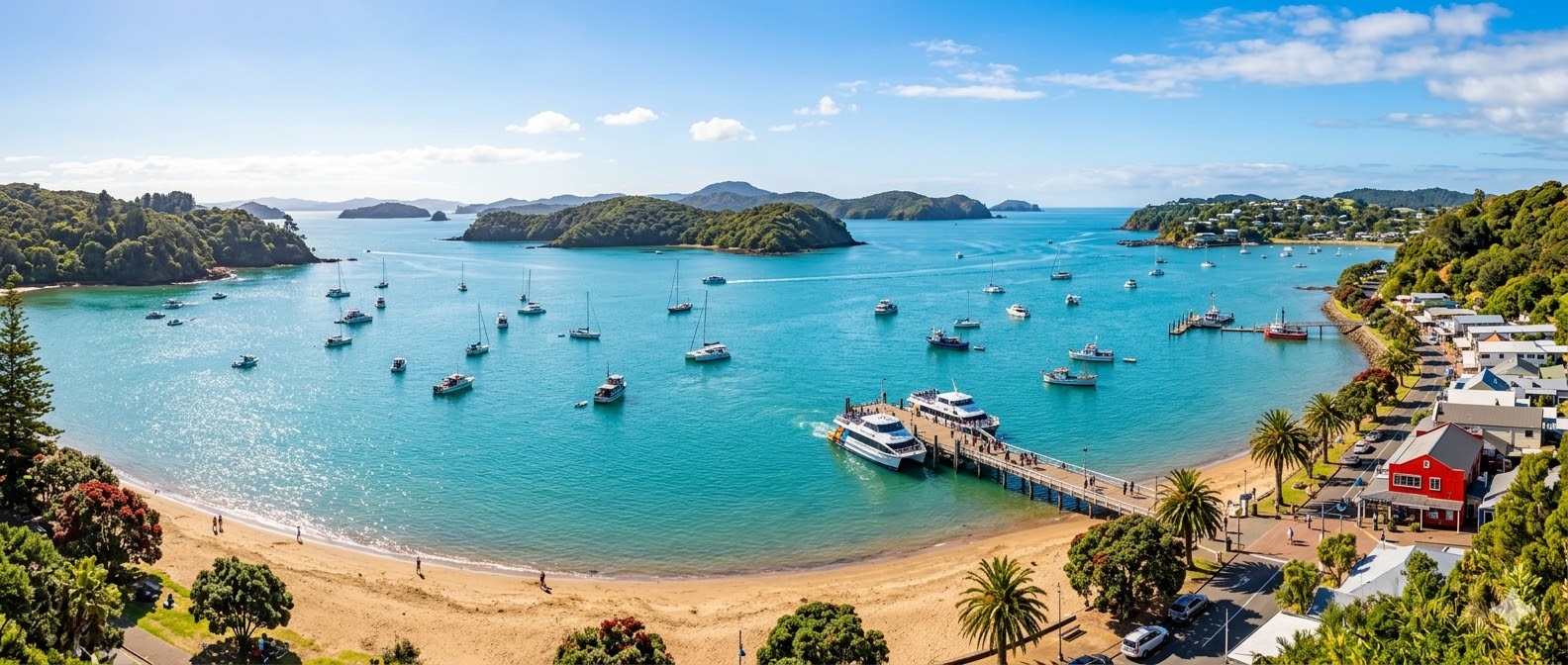
While the Far North is often associated with its wilder, northernmost reaches, the Bay of Islands offers a different kind of coastal beauty. It’s a region dotted with countless islands and sheltered bays, each with its own unique character and allure. This is where you’ll find a more serene, yet still captivating, maritime landscape.
Exploring the Intricate Waterways
The Bay of Islands is a veritable maze of interconnected waterways, inlets, and hidden coves. Its sheer number of islands, estimated to be around 144, creates a sheltered environment, leading to calmer waters compared to the open coast. This makes it ideal for a variety of water-based activities.
Boat Trips and Ferry Services
To truly appreciate the Bay of Islands, you’ll need to get out on the water. Numerous boat tours operate from the main towns like Paihia and Russell, offering excursions that range from dolphin watching to exploring secluded bays. Even taking a regular ferry service between Paihia and Russell provides a delightful perspective of the coastline and the islands. You’ll notice the water often has a turquoise hue, especially in sheltered areas, contrasting with the darker blues of the deeper channels.
Kayaking and Paddleboarding Adventures
For a more intimate experience, consider hiring a kayak or paddleboard. This allows you to navigate the smaller inlets and get up close to the shoreline. You can discover hidden beaches accessible only by boat, paddle through mangrove forests, and enjoy the tranquility of the water at your own pace. Keep an eye out for local birdlife, which is often abundant in these sheltered environments.
Coastal Walks and Hidden Beaches
Beyond the immediate bays, the coastline of the Bay of Islands offers numerous opportunities for exploration on foot. Many of these walks lead to secluded beaches and offer stunning views back over the islands and the shimmering water.
Urupukapuka Island’s Trails
Urupukapuka Island, the largest island in the bay, is a prime example of this. It’s a protected scenic reserve with a network of well-maintained walking tracks. These trails wind through native bush, offering glimpses of the sea at every turn. You can choose from short strolls to more challenging hikes, many of which lead to picturesque bays like Otehei Bay or Waipunuke Bay, perfect for a picnic or a swim.
Waitangi Treaty Grounds Coastal Path
Even in tourist hubs, you can find stretches of natural beauty. The coastal path around the Waitangi Treaty Grounds offers a pleasant walk with views across the bay. While the historical significance of Waitangi is paramount, the surrounding natural environment is equally impressive, providing a tranquil setting for reflection.
The Historic Charm of Russell
The town of Russell, the first European settlement in New Zealand, retains a unique charm that complements its natural surroundings. Its waterfront is lined with historic buildings, and its atmosphere is more relaxed than some of the larger centres.
The Flagstaff Hill Lookout
A short but steep climb up Flagstaff Hill in Russell rewards you with panoramic views of the Bay of Islands. From this vantage point, you can appreciate the intricate network of islands and bays, the ferries crisscrossing the water, and the coastline stretching out towards the horizon. It’s a popular spot for sunset, offering a painterly sky over the tranquil waters.
Kauri Coast Forests: Ancient Giants and Fern-Filled Valleys
Venture inland from the coast, and you’ll find yourself immersed in the ancient Kauri Coast forests, a living testament to New Zealand’s prehistoric past. This region is a haven for some of the country’s most magnificent trees, and the air itself feels charged with age and history.
Home to the Majestic Kauri
The Kauri trees are the undisputed stars of this region. These colossal trees have stood for millennia, their enormous girth and height an awe-inspiring sight. They are a symbol of New Zealand’s natural heritage and a powerful reminder of the ancient forests that once covered the land.
Waipoua Forest’s Giants
The Waipoua Forest is perhaps the most famous location for encountering these magnificent specimens. Here, you’ll find Tāne Mahuta, the “Lord of the Forest.” At over 2,000 years old and with a trunk so wide it takes over a dozen people linking hands to encircle it, Tāne Mahuta is a truly humbling sight. The sheer scale is difficult to comprehend until you stand before it.
Walking Amongst Immense Trunks
Exploring the walking tracks within the Kauri forests is an immersive experience. The forest floor is often carpeted with fallen Kauri leaves and needles, and the air is thick with the scent of damp earth and ancient wood. Sunlight filters through the dense canopy, creating a dappled, almost ethereal light. The scale of the trees is such that you feel dwarfed, a tiny observer in a world that existed long before you.
The Understory Ecosystems
The forest floor is just as fascinating as the canopy. A complex ecosystem thrives beneath the giants, a symphony of ferns, mosses, and other native flora.
Ferns in Abundance
New Zealand is renowned for its ferns, and the Kauri forests are no exception. You’ll see a bewildering variety of fern species, from delicate maidenhair ferns to large, fronded tree ferns. Their lush green fronds create a verdant understory, adding to the prehistoric feel of the environment.
The Symbiotic Relationship
Observe how the Kauri trees coexist with their surroundings. Many of these ancient trees have their roots entwined with smaller plants, and fungi play a crucial role in their health. It’s a powerful demonstration of the interconnectedness of nature, a complex web of life that has evolved over millennia.
Cape Reinga’s Dramatic Cliffs and Coastal Vistas

Encountering the Windswept Coastline
The northernmost point of New Zealand is not a gentle meeting of land and sea. It is a dramatic, often blustery, encounter. The cliffs here plunge down to the churning ocean, a stark and beautiful spectacle.
The Cliffs from Above
The visitor centre at Cape Reinga provides elevated viewpoints overlooking the dramatic coastline. From here, you can observe the powerful waves crashing against the rocks below and the vast expanse of the ocean stretching out before you. The colours can be quite striking, with the deep blues and greens of the sea meeting the grey and brown of the rugged cliffs.
The Perpendicular Drop
In some areas, the cliffs present a near-vertical drop to the sea. This sheerness contributes to the dramatic nature of the landscape and underscores the forces that have shaped it over time. It’s a place where you feel the true scale of the geological forces at play.
The Sacred Significance of the Land
Cape Reinga holds deep cultural and spiritual significance for Māori. It is considered the place from which the spirits of Māori ancestors begin their journey back to their ancestral homeland, Hawaiki. Understanding this context adds another layer to your appreciation of the landscape.
The Farewell Rock
Near the lighthouse, you’ll find the Farewell Rock (or Lehi). This is a sacred site, and it’s important to approach it with respect. The stories associated with this rock speak of the departure of spirits, a poignant reminder of the deep connection between the land and the people.
Respecting Sacred Sites
When visiting any culturally significant site in New Zealand, it’s important to be mindful and respectful. Follow any signs or guidelines provided, and avoid disturbing the natural environment. The spiritual weight of places like Cape Reinga is palpable, and acknowledging this adds a deeper dimension to your visit.
The far north of New Zealand is a stunning region characterised by its breathtaking nature, pristine beaches, serene bays, and majestic sand dunes, all of which can be explored from various lookout points that offer panoramic views of the landscape. For those interested in discovering more about this enchanting area, a related article can be found at The Far North, which delves into the unique features and attractions that make this part of New Zealand truly special.
Karikari Peninsula’s Undiscovered Shores and Volcanic Past
| Location | Attraction | Distance from Far North |
|---|---|---|
| Cape Reinga | Lighthouse and meeting of Tasman Sea and Pacific Ocean | Approx. 100 km |
| Ninety Mile Beach | Long sandy beach for driving and surfing | Approx. 50 km |
| Sand Dunes at Te Paki | Giant sand dunes for sandboarding and exploring | Approx. 60 km |
| Matai Bay | Beautiful bay with clear waters for swimming and snorkelling | Approx. 40 km |
| Mangonui Harbour | Scenic harbour with historic village and seafood restaurants | Approx. 30 km |
Off the beaten track, the Karikari Peninsula offers a more secluded and perhaps less-visited aspect of the Far North’s coastal beauty. It’s a region where you can find pristine beaches, intriguing geological formations, and a sense of tranquil discovery.
Unspoiled Beaches and Sheltered Bays
The Karikari Peninsula is characterised by its beautiful, often less crowded, beaches and sheltered bays. These are places where you can truly unwind and immerse yourself in the natural coastal environment.
Matai Bay’s Tranquil Waters
Matai Bay is a delightful crescent of golden sand, protected by a rocky headland. The water here is typically calm and shallow, making it an ideal spot for swimming, especially for families. The bay is fringed with pohutukawa trees, which provide welcome shade, and the gentle lapping of waves creates a soothing soundtrack.
Karikari Beach and its Expansive Sands
Karikari Beach itself is a longer stretch of sand, offering a more open feel. While still generally protected, it can be more exposed to the elements than Matai Bay. You can walk for considerable distances along its shore, enjoying the feeling of space and solitude.
The Volcanic Legacy of Rangiputa
The peninsula’s geological past is evident in its landscapes, particularly at places like Rangiputa. This area showcases the volcanic origins of the region, leaving behind intriguing formations.
The Intriguing Lava Flows
While not an active volcano, the remnants of past volcanic activity can be observed. In certain areas, you might see evidence of ancient lava flows, now weathered and softened by time. These geological features contribute to the unique topography of the peninsula, creating interesting rock formations along the coastline and inland.
Coastal Rock Formations
The erosion of volcanic rock over millennia has resulted in some striking coastal formations. These can range from jagged outcrops to more smoothed shapes, sculpted by the relentless action of the sea. Exploring these areas can offer a glimpse into the powerful geological forces that have shaped this part of the world.
Your journey through the Far North is a chance to connect with nature in its purest form. From the sweeping sands of Ninety Mile Beach to the ancient embrace of the Kauri forests and the serene beauty of the Bay of Islands, this region offers a profound experience of New Zealand’s wild heart. Embrace the journey, take your time, and let the untamed spirit of the Far North captivate you.
FAQs
1. What are some popular nature spots in the far north of New Zealand?
Some popular nature spots in the far north of New Zealand include the Ninety Mile Beach, Cape Reinga, and the Waipoua Forest.
2. What are the best beaches to visit in the far north of New Zealand?
Some of the best beaches to visit in the far north of New Zealand include Taupo Bay, Coopers Beach, and Cable Bay.
3. Are there any notable bays in the far north of New Zealand?
Yes, there are several notable bays in the far north of New Zealand, including Doubtless Bay, Rangaunu Harbour, and Parengarenga Harbour.
4. What sand dunes are worth visiting in the far north of New Zealand?
The Te Paki Sand Dunes and the Ahipara Sand Dunes are worth visiting in the far north of New Zealand for their impressive landscapes and recreational activities.
5. What lookout points offer stunning views in the far north of New Zealand?
Some lookout points that offer stunning views in the far north of New Zealand include the Cape Reinga Lighthouse, the Te Paki Sand Dunes lookout, and the Mangonui Harbour lookout.